
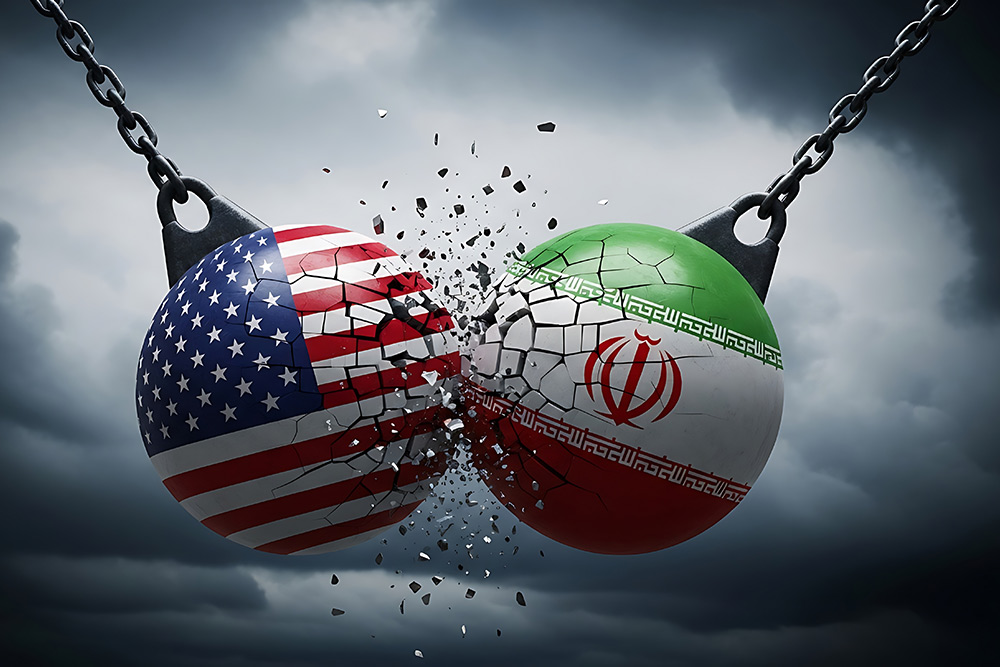
Renewed conflict in the Strait of Hormuz is once again creating significant challenges for international shipping, as heightened military activity disrupts one of the world’s most strategically important maritime corridors.
Recent developments have seen US forces engage a Curaçao-flagged tanker operating near Kharg Island after reports that the vessel failed to respond to multiple warnings. The unladen ship was struck, sustaining damage that left it disabled. The incident comes shortly after the United States reimposed its naval blockade of Iran, further escalating tensions in the region.
The attack is the latest in a series of incidents affecting commercial shipping. In recent days, several merchant vessels have reportedly come under attack, including fuel tankers damaged earlier this month before Iran announced the renewed closure of the Strait of Hormuz. The security situation has continued to deteriorate, with additional container ships and oil tankers sustaining damage and rescue operations taking place. Tragically, casualties and missing crew members have also been reported.
Although vessel movements had shown signs of recovery in recent weeks, hundreds of commercial ships remain delayed within the Gulf. The backlog includes crude and refined fuel tankers, container vessels, general cargo ships and offshore support vessels, with thousands of seafarers still unable to continue their voyages while awaiting safe passage.
The disruption is placing renewed pressure on global supply chains and driving freight costs higher across Middle Eastern trade routes. In some cases, ocean freight rates have risen beyond levels experienced during the pandemic as carriers reassess risk, adjust schedules and divert services.
Businesses importing from or exporting to the region should continue to expect delays, increased costs and potential schedule changes while the situation remains uncertain.
Global Freight Services is actively monitoring developments through its international logistics network and remains committed to providing customers with timely updates, practical guidance and tailored freight solutions to minimise disruption wherever possible.