

Iran has begun implementing its new policy that requires ships to pay transit fees when passing through the Strait of Hormuz, a move that could signal a broader shift in how key maritime routes are controlled.
Authorities in Tehran have confirmed that initial payments have already reached the country’s central bank, suggesting the measure is no longer theoretical but actively in place.
The development is attracting close attention internationally. According to UK security officials, Yemen’s Houthi movement are considering a comparable strategy at the Bab el-Mandeb—a critical chokepoint connecting the Red Sea with the Gulf of Aden. At its narrowest, the passage spans roughly 20 miles, making it even tighter and potentially more sensitive than Hormuz.
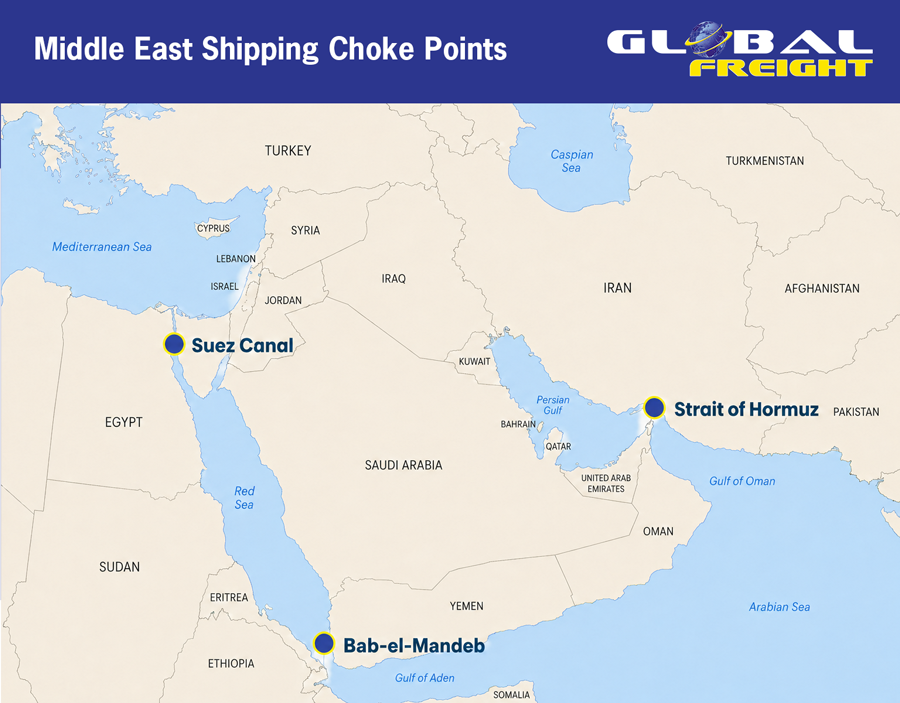
Shipping in this region has already faced serious disruption. Since late 2023, repeated attacks on commercial vessels near Bab el-Mandeb have forced many operators to reroute around the Cape of Good Hope, increasing transit times and costs. If tolls were introduced, it would mark a transition from sporadic interference to a more systematic assertion of control over maritime traffic.
Such a step would almost certainly trigger strong international opposition, much like the response to Iran’s policy. Even so, it points to a broader question: could charging for access to strategic waterways become more widespread? While the Suez Canal already functions as a toll-based route, expanding this model to other chokepoints would represent a significant shift in established practice.
If multiple fee-based controls emerge along major trade corridors—particularly between Asia and Europe—the implications would go far beyond higher shipping expenses. Control over these routes plays a crucial role in global economic influence, and changes of this kind could alter the geopolitical balance in meaningful ways.