
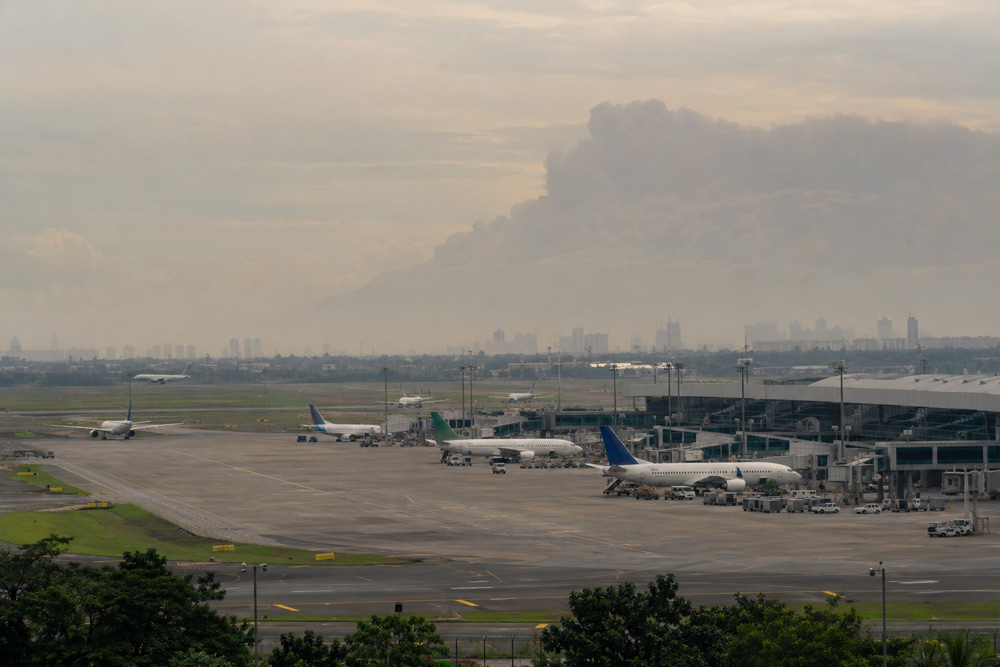
Flight operations have resumed at Jakarta and other Indonesian airports following the volcanic ash disruption caused by Anak Krakatau, although normal air freight schedules are unlikely to return immediately.
Indonesia’s principal international airport closed on Saturday 6 September after ash from the volcano moved into the surrounding airspace. It reopened at 00:30 local time on Tuesday 8 September, ending a closure of around two days. Halim Airport and several regional airports resumed shortly afterwards, with the last three affected airports reopening later that morning.
The scale of the interruption is substantial. Almost 3,000 domestic and international flights were affected, including 622 international services, while approximately 341,000 passengers were disrupted. For freight movements, the key issue now is the knock-on effect: cargo left awaiting uplift, aircraft and crews out of position, and handling operations working through the backlog created during the closure.
Although the airport is open, airlines must inspect 178 aircraft that were grounded at Jakarta before returning them to service. Freight forwarders and shippers should therefore expect some delayed departures, connection issues and cargo rollovers as capacity is restored and aircraft rotations are rebuilt.
Volcanic ash presents a particular aviation risk because it can damage engines and affect visibility and airport infrastructure. The disruption is a useful reminder of the 2010 Icelandic ash-cloud crisis, when restrictions across European airspace caused widespread and prolonged disruption to international supply chains.
There is also still a degree of uncertainty. Anak Krakatau produced further, smaller eruptions on Tuesday, and ash remains within the wider region. Any significant change in wind direction could result in renewed airspace restrictions.
Global Freight Services will continue to monitor the situation and work with customers on the best available options for affected shipments.